By the time most couples notice those two pink lines, the most critical window of preparation has already opened — and for many, quietly closed. This guide is about that window. What happens before conception, why it matters more than most people realise, and what you can do about it starting today.
Here is how it usually happens. A couple decides they are ready for a baby. They give up contraception, start trying, and trust that everything else will sort itself out. Months pass — sometimes longer — and they find themselves sitting in a doctor's office learning for the first time about something that could have been caught and corrected long before they ever started.
This guide exists so that conversation happens now — well before you need it. Whether you live in the United States, Canada, or the United Kingdom, these ten points apply equally to you. A few will come as a surprise. Some will prompt you to act immediately. All of them are worth understanding.
Read this with your partner. Not because it is frightening — but because it is the kind of honest, practical information that most people only wish someone had told them sooner.
Why the Months Before Pregnancy Matter More Than Most People Realise
A preconception health check-up is the single most underused tool in fertility preparation — and one of the most effective.
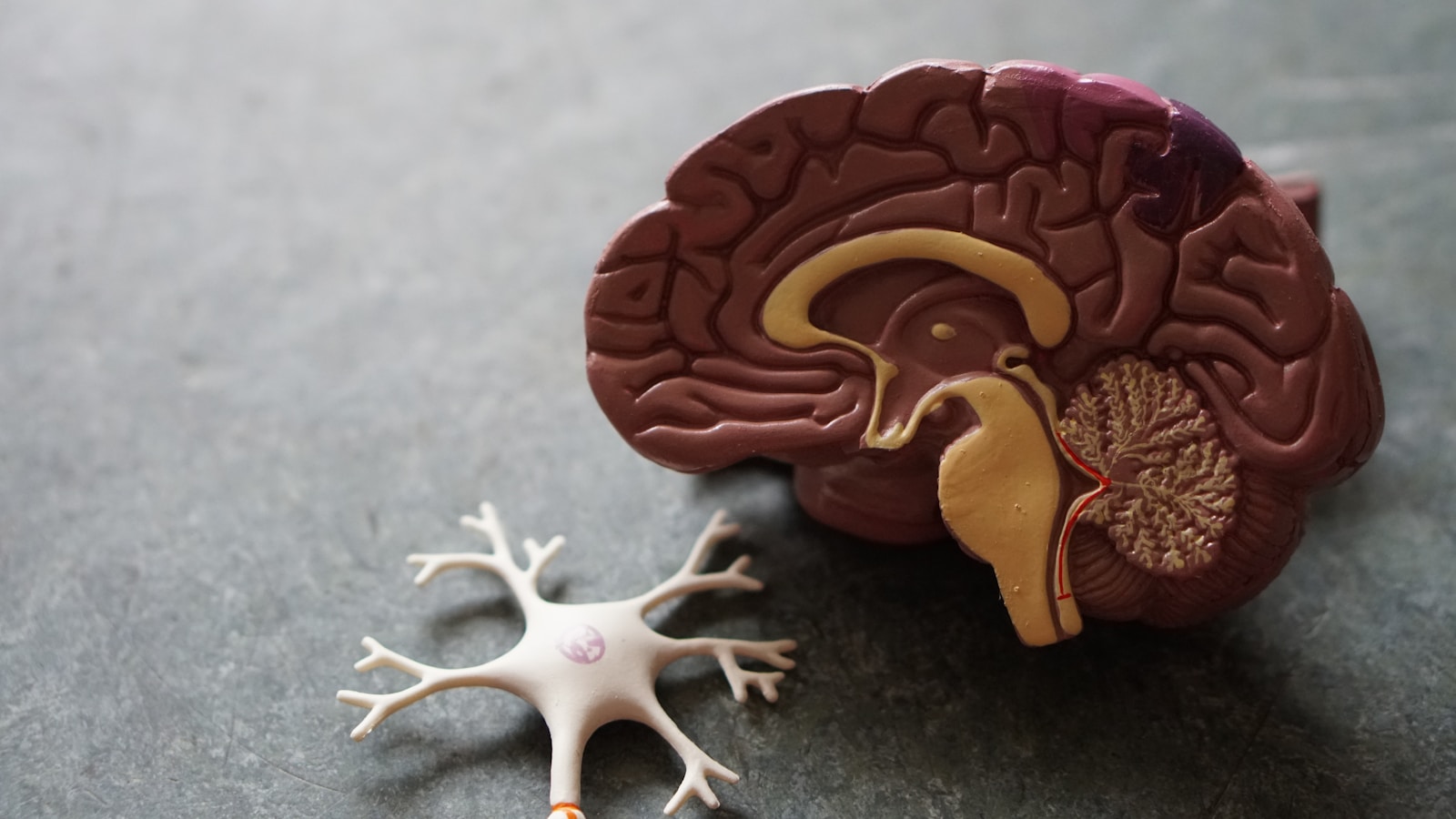
Here is a fact that surprises most people: the neural tube — the structure in your growing baby that becomes the brain and spinal cord — begins forming within the first 28 days of pregnancy. That is before most women even know they are expecting. By the time you see that positive result, critical development has already begun.
What you eat, drink, smoke, and feel in the months before conception directly shapes the environment your baby grows into from its very first moments. That is not a small thing. And it is entirely within your control.
28
Days — that is when the neural tube forms. Often before a woman knows she is pregnant. Everything you do before conception already matters.
And this is not just the woman's responsibility. Sperm takes around 90 days to fully mature. So what a man eats, drinks, and does today will directly affect the sperm that exists three months from now. Most men are never told this. It changes how couples should think about preparation entirely — it is a two-person job from the very beginning.
The 10 Things to Avoid Before Pregnancy — And the Real Risks If You Don't
Smoking is among the most thoroughly researched threats to fertility, and it harms both partners far more than most couples appreciate. In women, it damages eggs, speeds up the loss of ovarian reserve, and can trigger an earlier menopause. In men, it lowers sperm count, damages sperm DNA, and reduces motility — the swimming capacity that sperm needs to actually reach the egg.
Beyond fertility, smoking during pregnancy significantly raises the risk of miscarriage, low birth weight, premature birth, and sudden infant death syndrome. And the damage does not stop at the cigarette you personally smoke.
What most people miss: Even regular exposure to second-hand smoke — from a partner, family member, or workplace — measurably affects egg quality and raises miscarriage risk. Both partners need to stop, and the home environment matters just as much as individual habits.
Most people assume the rule is straightforward — stop drinking the moment you find out you are pregnant. What the research actually shows is both more complex and more pressing than that.
Alcohol affects egg quality in the months before conception, reducing the likelihood of successful fertilisation. In men, regular drinking lowers testosterone, decreases sperm count, and damages sperm DNA. And in the very first days of an embryo's development — the gap between fertilisation and that positive test — alcohol poses genuine risks to cell division and early growth that most couples never consider.
The common mistake: "I'll stop after I get a positive test." By then, your baby's earliest and most vulnerable developmental window has already happened. The NHS, CDC, and Health Canada all recommend stopping alcohol entirely when trying to conceive — not when you find out it worked.
This is probably the most underestimated risk in all of preconception planning. Most people assume that if a medication is prescribed by a doctor or available over the counter, it is automatically safe in every situation. That assumption is incorrect — and in some cases, dangerously so.
Certain acne medications — most notably isotretinoin (Accutane) — are severely teratogenic, meaning they cause serious birth defects. They require stopping months before trying to conceive. Some antidepressants, certain blood pressure medications, anti-epileptic drugs, and even some common painkillers carry risks in the early weeks of pregnancy — again, often before a woman knows she is expecting.
What to do: Before you begin trying to conceive, book a preconception appointment with your GP (UK), family doctor (Canada), or OB-GYN (USA). Bring a complete list of every medication and supplement both of you take. Your doctor can advise on what to stop, what to switch, and what is safe to continue.
💡 Nestly Tip
This review applies to supplements too — not just prescription drugs. High-dose vitamin A, for example, is harmful in early pregnancy. Always review everything with a qualified professional before trying to conceive.
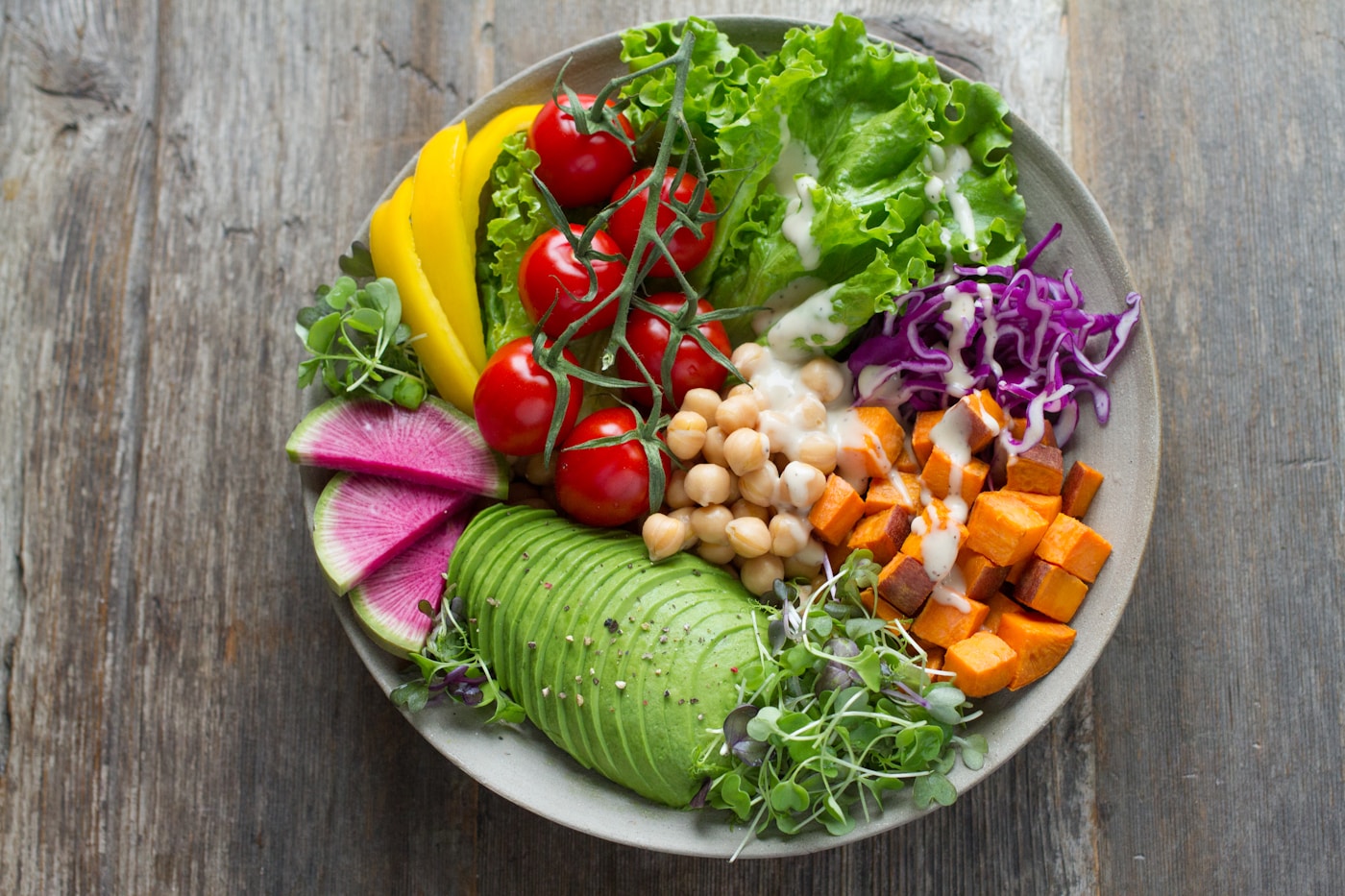
A nutrient-rich diet before conception is one of the most powerful and most accessible tools for protecting your baby's earliest development.
Most of us reach for coffee first thing in the morning without a second thought. When you are trying for a baby though, that familiar habit deserves a closer look — because the research connecting caffeine to pregnancy outcomes is more definitive than most people are aware of.
High caffeine intake — consistently above 200 mg per day, which is roughly one large coffee — has been linked in multiple studies to increased miscarriage risk. Caffeine also affects hormone balance, specifically the hormones that regulate ovulation and the luteal phase of the menstrual cycle. In men, excessive caffeine has been associated with reduced sperm motility in some studies.
The practical limit: Most health authorities — including the NHS, the American College of Obstetricians and Gynecologists, and Health Canada — recommend keeping caffeine below 200 mg per day when trying to conceive and during pregnancy. That is roughly one standard espresso or one medium filter coffee. Remember that caffeine is also found in tea, cola, energy drinks, and chocolate.
A poor diet before conception does not just affect how quickly you get pregnant. It directly affects the health of the embryo in its earliest and most critical days of development. Three nutrients in particular are non-negotiable.
Folic acid is the most important. The neural tube — which becomes your baby's brain and spinal cord — forms within the first 28 days of pregnancy, often before you even know you are expecting. Taking 400 mcg of folic acid daily in the months before conception, and continuing through the first trimester, reduces the risk of neural tube defects by up to 70 percent. This is not optional. It is the single most evidence-backed action any woman planning a pregnancy can take.
Iron is the second. During pregnancy, your body dramatically increases blood production to support the growing baby, and it demands significantly more iron to do so. If your iron stores are already low before conception — which is extremely common in women of childbearing age — you are entering pregnancy already deficient. This raises the risk of anaemia, extreme fatigue, preterm birth, and can affect your baby's brain development.
Vitamin D supports hormonal balance in both partners. Deficiency is remarkably common in the UK, Canada, and northern US states, particularly through the winter months. A simple blood test can confirm your levels, and supplementation is inexpensive and effective.
70%
Reduction in neural tube defects when folic acid (400mcg daily) is taken before and during early pregnancy. The neural tube forms before most women know they are pregnant — start now, not after the positive test.
For both partners: Men's nutrition matters too. Zinc supports sperm count and testosterone production. Antioxidants — from berries, dark leafy greens, nuts, and seeds — protect sperm DNA from oxidative damage. Omega-3 fatty acids from oily fish support sperm cell structure. His diet in the three months before trying is just as relevant as hers.
Body weight has a direct and clinically significant effect on fertility — in both directions, and in both partners. This is not about appearance or meeting an arbitrary standard. It is about how body fat levels influence the hormones that control reproduction.
In women, being significantly underweight can stop ovulation entirely. The body reads it as a signal that conditions are not safe for pregnancy and quietly shuts the reproductive cycle down. Periods grow irregular or stop altogether. For women who are significantly overweight, excess fat tissue generates additional oestrogen, throwing the hormonal cycle out of balance and raising the risk of irregular ovulation, PCOS, and gestational diabetes.
In men, obesity lowers testosterone and is directly associated with reduced sperm count and quality. Extreme calorie restriction — even without severe underweight — can lower testosterone and affect sperm production.
The good news: Even modest, sustainable weight changes — not dramatic crash diets — can restore hormonal balance and meaningfully improve conception rates. This is a case where slow and steady genuinely wins.

Managing stress before trying to conceive is not a luxury — chronic cortisol elevation directly suppresses the hormones responsible for ovulation.
Stress does not just make you feel awful. It has a direct, measurable effect on your fertility that most people are never told about. When your body is under sustained pressure, it produces high levels of cortisol. And cortisol does not just sit there making you anxious — it actively interferes with the hormones that trigger ovulation in women and suppresses testosterone in men. The result is longer time to conception, more irregular cycles, and lower sperm quality. Chronic stress is not a minor inconvenience during the trying to conceive period. It is a genuine obstacle.
Poor sleep makes everything worse. It raises cortisol further, throws off the body clock that controls hormone production, and has been directly linked to longer conception times. Getting fewer than seven hours of sleep a night when you are trying for a baby is not just tiring — it is working against you biologically. Sleep is not a luxury right now. It is part of the plan.
What actually helps: Therapy or counselling, consistent moderate exercise, mindfulness practice, reducing working hours temporarily where possible, and most importantly — open and honest conversations with your partner about the emotional weight you are both carrying. The trying to conceive period can be quietly stressful even when everything is going well. Acknowledge that, and manage it actively.
This is the one that catches people off guard — because the substances involved do not look dangerous. They are sitting in your kitchen cupboard, in your bathroom, and in your fridge right now. They are called endocrine disruptors, and their whole problem is that they behave like hormones inside your body — confusing your reproductive system in ways that are invisible until they become a problem.
BPA (bisphenol A), found in many plastic food containers and the lining of canned foods, mimics oestrogen and has been linked to reduced egg quality, disrupted menstrual cycles, and lower sperm count. Phthalates, found in synthetic fragrances, many personal care products, and flexible plastics, have been associated with reduced testosterone and lower sperm concentration. Pesticide residues on non-organic produce have been linked in several studies to lower fertilisation rates during IVF treatment.
Simple, effective swaps: Switch plastic food containers to glass or stainless steel. Choose fragrance-free cleaning products and personal care items. Ventilate your kitchen well when cooking. Wash fruit and vegetables thoroughly. These are not dramatic lifestyle overhauls — they are small, affordable changes that cumulatively reduce your exposure to chemicals that your reproductive system should not have to process.
Certain underlying health conditions, if not identified and managed before conception, can significantly complicate a pregnancy or delay conception for months or years. The challenge is that many of these conditions carry no obvious symptoms until they become a problem.
Thyroid disorders — both an underactive and overactive thyroid — directly affect ovulation, hormone balance, and the ability to carry a pregnancy to term. A simple blood test identifies thyroid function, and medication is highly effective when started early. PCOS (Polycystic Ovary Syndrome) affects around one in ten women of reproductive age and is one of the leading causes of ovulatory infertility. Many women have it without knowing. Managing it before trying to conceive — through lifestyle, medication, or both — significantly improves outcomes. Diabetes, both type 1 and type 2, when poorly controlled around the time of conception, raises the risk of miscarriage and serious birth defects, particularly affecting the heart and neural tube.
The action: A preconception appointment — with your GP, family doctor, or OB-GYN — is the single most effective way to identify and address these conditions before they become complications. Most risks can be dramatically reduced simply by knowing about them early enough to act.
This is the one that quietly ties together all nine risks above. A preconception health check-up is not a test you pass or fail. It is a conversation — with a qualified medical professional who knows your individual health history — about everything that could be optimised before you begin trying to conceive.
In a single appointment, a good doctor or midwife can review your vaccination status (rubella, chickenpox, and whooping cough immunity are all critical before pregnancy), check your blood counts for anaemia and iron deficiency, screen for PCOS and thyroid disorders, review your medications, discuss your family history, and advise on folic acid dosage specific to your situation. Women with certain conditions may need a higher dose than the standard 400 mcg.
How to book one: In the UK — contact your GP and ask for a preconception appointment. In Canada — contact your family doctor or a midwife. In the USA — contact your OB-GYN or family physician. This appointment is one of the most valuable things you can do for your pregnancy, and most of what it reveals is entirely fixable with time and the right guidance.
What Happens If These Risks Are Ignored? The Honest Answer
Early identification and management of risk factors before conception dramatically reduces the likelihood of complications during pregnancy.
It would be dishonest to write a guide about preconception risks without naming what those risks can lead to when they are left unaddressed. But it would also be irresponsible to present these outcomes as inevitable — because with awareness and preparation, the vast majority of them are preventable or significantly reducible.
The potential consequences of ignoring preconception health fall into these categories:
⏳
Delayed or failed conception
🫀
High blood pressure in pregnancy
"The goal of this guide is not to make you afraid of getting pregnant. The goal is to make you so well-prepared that the risks listed above are as unlikely as they possibly can be for your family."
— Nestly Parenting
Every single item in that list is significantly influenced by preconception choices. And almost every one of them can be made less likely — often dramatically so — by the actions described in this guide. That is not reassurance for reassurance's sake. That is what the evidence consistently shows.
What to Do Instead — Your Preconception Action Plan
Knowing what to avoid is only half of the preparation. Here is what the evidence supports doing actively in the months before you try to conceive:
- Book a preconception appointment — with your GP, OB-GYN, or family doctor. Bring every medication and supplement both of you take. Ask for blood tests for iron, vitamin D, thyroid function, and rubella immunity.
- Start folic acid immediately — 400 mcg daily, minimum. If you have a family history of neural tube defects, have diabetes, or take certain medications, ask your doctor whether you need a higher dose (usually 5 mg).
- Both partners stop smoking — completely, not just reducing. If you need support, your GP can refer you to a free NHS Stop Smoking service (UK), or equivalent programs in Canada and the US.
- Both partners stop alcohol — entirely when actively trying. The safest amount during the trying to conceive period is none.
- Reduce caffeine to under 200 mg daily — roughly one standard coffee. Switch to decaf, herbal tea, or hot water with lemon for the rest.
- Review all medications with your doctor — before stopping or changing anything, not after.
- Eat the rainbow — a diverse diet rich in dark leafy greens, berries, oily fish, nuts, seeds, and whole grains covers most of what both partners need nutritionally before conception.
- Move your body moderately and consistently — three to four sessions of moderate exercise per week improves hormonal balance, reduces cortisol, and supports healthy weight. Avoid extreme overtraining.
- Sleep seven to nine hours per night — and treat this as a medical priority, not a lifestyle luxury.
- Audit your home environment — switch plastic food containers to glass, choose fragrance-free products where possible, and ventilate your kitchen well.
💡 Nestly Tip
Start at least three months before you plan to begin trying. Sperm takes 90 days to fully mature, and folic acid is most protective when it has been in your system for several weeks before conception. Give yourself the runway that actually makes a difference.
Country-Specific Guidance — USA, UK and Canada
🇬🇧 UK Parents
Book a preconception appointment with your GP before trying. The NHS provides free folic acid prescriptions for women planning a pregnancy with certain conditions. Stop Smoking services are free through the NHS. If you have a BMI over 30 or a chronic health condition, your GP may refer you to a specialist preconception clinic.
🇨🇦 Canadian Parents
Contact your family doctor or a community midwife for a preconception consultation. In some provinces, preconception health services are covered under provincial health plans. Folic acid supplements are widely available and inexpensive. Smoking cessation support is available through provincial Quitlines at no cost.
🇺🇸 US Parents
Schedule a well-woman visit with your OB-GYN and request a preconception consultation. Check whether your health insurance covers preconception care and genetic counselling — many plans do under the ACA. The CDC's "Before, Between and Beyond" initiative offers excellent free preconception health resources. If you are uninsured, Planned Parenthood and community health centres offer low-cost preconception consultations.
A Final Word — Awareness Is Not the Same as Fear
If reading this list has left you feeling somewhat daunted — that reaction makes complete sense. There is a lot here. But the most important thing to hold onto is this: almost everything on this list is fixable. The majority of it costs nothing at all. And every single point becomes manageable once you understand what you are actually working with.
Nobody can guarantee you a flawless pregnancy. That is not what this guide promises. What it does offer is a genuine advantage — the kind that only comes from learning things before you need them rather than after. Give your body the best possible starting conditions. Do it quietly, practically, and without waiting for circumstances to be perfect.
The couples who have done this work before the positive test arrive at that moment differently. Not because they are more organised or more disciplined — but because they are less afraid. They have one fewer thing to worry about at exactly the moment when worry has more than enough to work with already.
Have the conversation with your partner tonight. Book that doctor's appointment this week. Put the folic acid on the shopping list for tomorrow. The most meaningful preparation you can give your baby has nothing to do with nursery colours or which pram you choose. It starts here — quietly and practically — before there is even a baby to prepare for.
Preconception Health
Trying to Conceive
Pregnancy Preparation
Fertility Tips
First Time Parents
Folic Acid
USA · Canada · UK
📚 Sources & References
- NHS UK — Preconception Health and Folic Acid Guidance (nhs.uk)
- Centers for Disease Control and Prevention — Before Pregnancy (cdc.gov)
- Health Canada — Healthy Pregnancy Guide (canada.ca)
- American College of Obstetricians and Gynecologists — Preconception Care (acog.org)
- World Health Organization — Preconception Care Recommendations (who.int)
- Harvard T.H. Chan School of Public Health — Fertility and Diet Research
- Tommy's Charity UK — Preconception and Miscarriage Research (tommys.org)
- ACOG — Caffeine Intake During Pregnancy (acog.org)
Attaullah
Founder of Nestly Parenting. A researcher, writer, and passionate advocate for honest, practical parenting education. Writing to make new parenthood feel less lonely — one article at a time. Learn more →




💬 Leave a Comment
Sign in with GitHub to comment. Your voice matters in this community.
🙌 No account needed — just share your thoughts below.
Thanks — your comment has been submitted and will appear here once reviewed.
Something went wrong submitting your comment. Please try again in a moment.